
Learn how to select the perfect running shoes with our comprehensive guide covering foot type analysis, shoe categories, fit considerations, and expert tips for optimal performance and injury prevention.
Selecting the right running shoes is one of the most important decisions any runner can make. Whether you are a beginner taking your first steps or an experienced marathon runner looking to improve your performance, the shoes you wear can significantly impact your comfort, efficiency, and injury risk. This comprehensive guide will walk you through everything you need to know to find the perfect pair of running shoes for your unique needs.
Definition
What is choosing running shoes? It is the process of selecting footwear that matches your foot structure, running style, intended use, and personal comfort preferences to enhance performance and prevent injuries.
Why the Right Running Shoes Matter
Running shoes are not just footwear—they are sophisticated equipment designed to support your body through thousands of steps per mile. The impact force when your foot strikes the ground can be two to three times your body weight, and the right shoes help absorb and distribute this force properly. Wearing inappropriate shoes can lead to common running injuries including shin splints, plantar fasciitis, runner’s knee, and stress fractures. Beyond injury prevention, proper running shoes can improve your efficiency, help you run longer distances with less fatigue, and make your running experience more enjoyable overall.
Key Factors to Consider When Choosing Running Shoes
- Foot arch type and pronation pattern – understanding whether you have flat feet, high arches, or neutral arches
- Running gait analysis – determining if you overpronate, supinate, or have a neutral stride
- Intended use – road running, trail running, racing, or daily training
- Cushioning level – minimal, moderate, or maximum based on preference and distance
- Shoe width and fit – ensuring adequate room in the toe box
- Weight considerations – lighter shoes for speed, more durable options for daily training
Understanding Your Foot Type
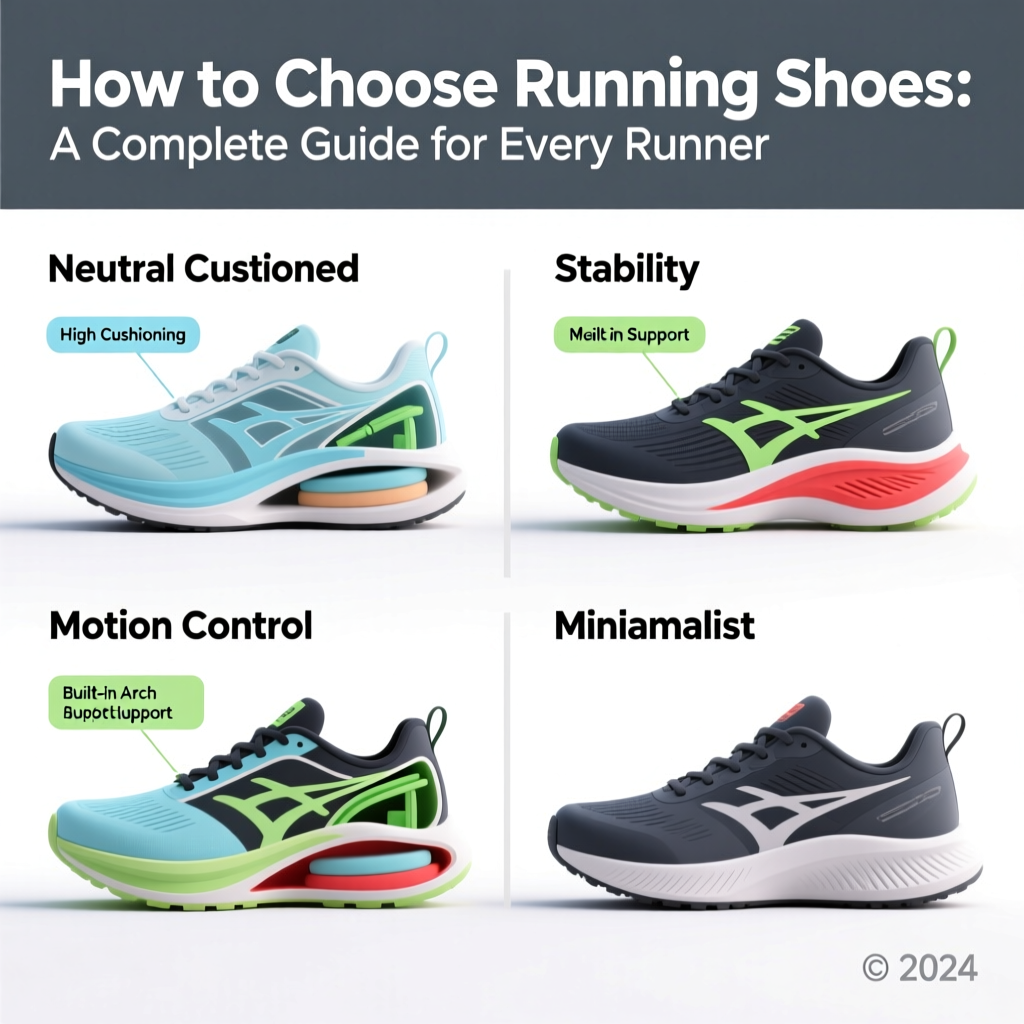
Before purchasing running shoes, it’s essential to understand your foot type. The three main categories are pronated (flat feet), neutral, and supinated (high arches). You can determine your foot type through a simple wet test—wet your feet and stand on a piece of paper. A complete footprint indicates flat feet, while a narrow strip with minimal sole contact suggests high arches. For pronated feet, stability shoes with motion control help prevent excessive inward rolling. Neutral feet work well with cushioning or neutral shoes, while supinated feet benefit from shoes with extra cushioning to absorb impact.
Types of Running Shoes
Running shoes come in several categories, each designed for specific purposes and running conditions. Understanding these categories will help you make an informed decision based on your goals and running surface.
Road Running Shoes
Road running shoes are designed for pavement and hard surfaces. They typically feature comfortable cushioning to handle repetitive impact on concrete or asphalt. These shoes are versatile and suitable for most runners who primarily run on city streets, tracks, or sidewalks. Runner’s World provides extensive reviews of road running shoes for various foot types and preferences.
Trail Running Shoes
Trail running shoes are built for off-road terrain with aggressive traction, protective toe caps, and stability features to handle uneven surfaces, rocks, and mud. They often have rock plates to protect your feet from sharp objects and provide better grip on slippery surfaces. If you enjoy trail running or hiking on natural paths, these specialized shoes are essential for safety and performance.
Racing Flats and Lightweight Trainers
Racing flats are minimal, lightweight shoes designed for speed during races or fast training sessions. They offer less cushioning and support but allow for greater ground feel and faster transitions. These shoes are best experienced runners who have developed strong foot muscles and are looking to improve their race times.
How to Find Your Perfect Running Shoes – Step by Step
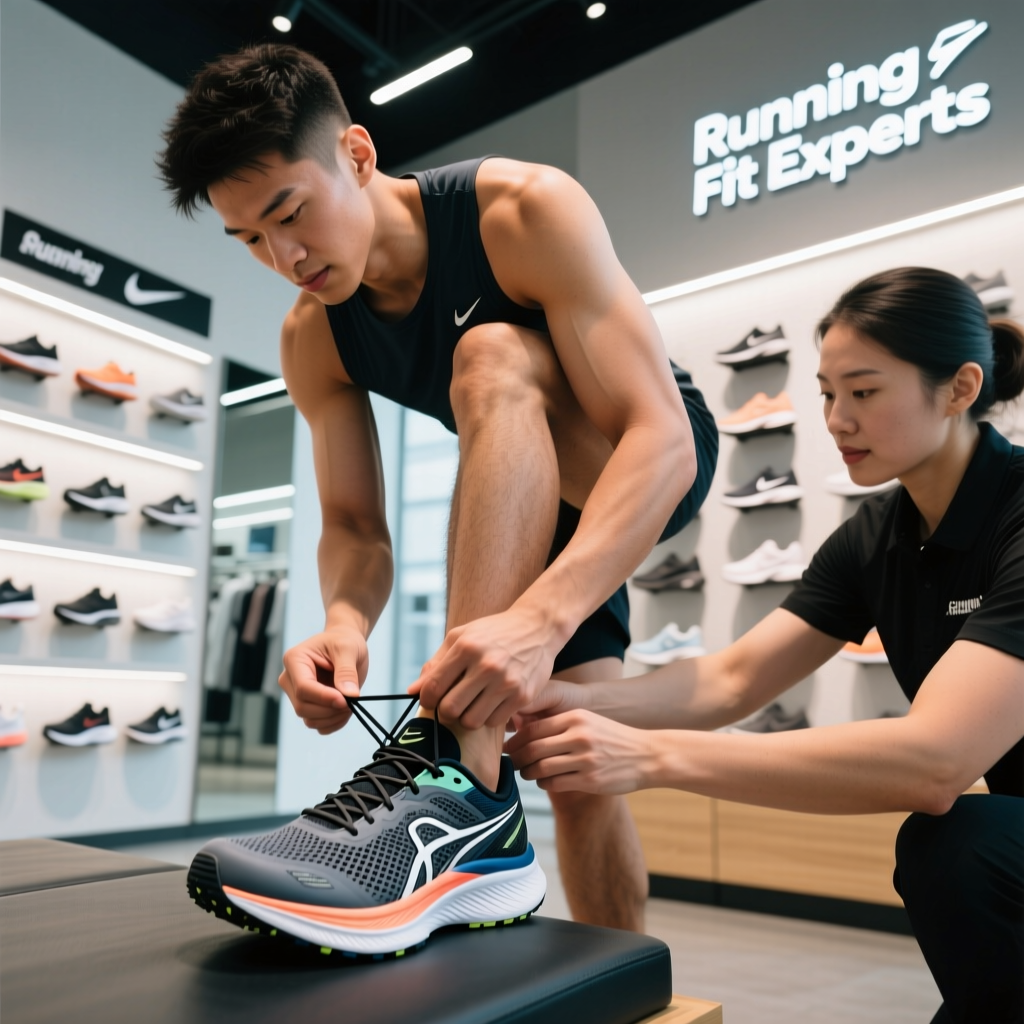
- Step 1: Get Your Feet Measured – Visit a specialty running store or use a Brannock device to measure both feet. Most people have one foot larger than the other, so fit to the larger foot.
- Step 2: Analyze Your Gait – Watch a running professional perform a gait analysis, or look at the wear pattern on old shoes to understand your pronation pattern.
- Step 3: Try Multiple Pairs – Test several different brands and models. Each manufacturer uses different lasts and cushioning technologies, so fit can vary significantly.
- Step 4: Shop Later in the Day – Your feet swell throughout the day, so shopping in the afternoon or evening ensures you get a fit that accommodates natural expansion.
- Step 5: Wear Running Socks – Bring the socks you plan to wear while running to ensure proper fit and avoid surprises.
- Step 6: Test the Fit – There should be about a thumb’s width between your longest toe and the shoe’s end. The heel should feel secure without slipping.
- Step 7: Run in Store If Possible – Many specialty stores have treadmills or indoor tracks for test runs. Take advantage of this to feel how the shoes perform.
Common Mistakes to Avoid
Many runners make critical mistakes when selecting running shoes that can lead to discomfort or injury. One of the most common errors is choosing shoes based solely on appearance or brand reputation rather than fit and function. Another mistake is wearing shoes past their useful life—most running shoes should be replaced every 300 to 500 miles as cushioning breaks down over time. Buying shoes that are too small is also prevalent, as feet swell during runs and require additional space. Finally, some runners ignore their specific foot type and biomechanics, choosing neutral shoes when they actually need support or vice versa.
Comparison: Traditional vs Modern Running Shoe Technology
| Feature | Traditional Running Shoes | Modern Running Shoes |
|---|---|---|
| Cushioning Technology | Basic foam midsole, limited energy return | Advanced foam compounds like PEBAX, nitrogen-infused bubbles for superior energy return |
| Weight | Heavier construction, 10-12 oz average | Lightweight materials, 7-9 oz for performance models |
| Support Systems | Rigid stability posts, limited motion control | Dynamic support that adapts to individual gait patterns |
| Outsole Design | Basic rubber, uniform tread patterns | Strategic rubber placement, carbon fiber plates for propulsion |
| Breathability | Limited mesh, heat retention | Engineered mesh uppers with targeted ventilation zones |
Modern running shoe technology has evolved dramatically in recent years. Traditional shoes relied on basic foam midsoles and rigid stability features, while today’s shoes incorporate advanced materials like American Academy of Orthopaedic Surgeons-studied energy-return foams and carbon fiber plates. These innovations, as documented by the American College of Sports Medicine, can improve running economy and reduce the metabolic cost of running. However, the best shoe for you ultimately depends on your individual biomechanics rather than the newest technology.
When to Replace Your Running Shoes
Understanding when to replace your running shoes is crucial for maintaining performance and preventing injuries. Even if shoes appear structurally sound, the midsole cushioning loses its effectiveness after repeated impact. Most running shoes last between 300 to 500 miles, depending on your weight, running style, and the surfaces you run on. Signs that indicate it’s time for new shoes include visible wear patterns on the outsole, compressed or flattened midsole, loss of cushioning feel, or new aches and pains that weren’t present before. Running Tips and Maintenance Guide offers detailed information on extending shoe lifespan and recognizing replacement signs.
Finding the Right Balance Between Comfort and Performance
While finding comfortable shoes is important, comfort alone shouldn’t be your only criterion. The most comfortable shoe when standing in a store may not be the best choice for running. Look for a balance between immediate comfort and the support your body needs for sustained running. Your feet should feel secure without being constrained, and you should have enough room in the toe box to splay your toes naturally during impact. Remember that there is often a break-in period with new shoes—some discomfort initially is normal, but pain is not. If shoes cause persistent pain, they are likely not the right choice for your feet.
Additional Resources and Professional Fitting
While this guide provides comprehensive information, nothing replaces the expertise of a professional fitting. Specialty running stores employ staff trained in gait analysis and shoe selection. Many offer gait analysis services using video recording or pressure-sensitive treadmills to recommend the most appropriate shoes for your specific biomechanics. Online resources like Running Shoe Reviews and Ratings can provide additional insights into specific models, but remember that every runner’s needs are unique. What works exceptionally well for one runner may not suit another at all.
Frequently Asked Questions
- How often should I replace my running shoes? Most running shoes should be replaced every 300-500 miles. However, heavier runners or those who run on rough terrain may need replacement sooner. Pay attention to cushioning compression and any new discomfort.
- Can I use running shoes for walking or cross-training? Yes, running shoes can be used for walking and general fitness activities. However, shoes designed specifically for walking may offer different benefits. For cross-training that involves lateral movements, cross-training shoes may provide better support.
- What if one foot is larger than the other? This is very common. Always fit your shoes to the larger foot, and consider using thicker socks on the smaller foot or looking for brands that offer different size options for each foot.
- Are expensive running shoes worth it? Price doesn’t always correlate with performance or fit for every runner. Higher-priced shoes often feature premium materials and innovative technology, but mid-range options can provide excellent performance for many runners. Focus on fit and your specific needs rather than price.
- How long does it take to break in new running shoes? Most runners find that new shoes feel comfortable immediately, though a short break-in period of a few short runs is normal. If shoes cause significant discomfort after a week of wear, they may not be the right fit for you.
- Should I rotate between multiple pairs of running shoes? Rotating between two or more pairs of running shoes can extend the life of each pair and reduce injury risk by varying the stress placed on different muscles and joints. This is a common practice among dedicated runners.
Finding the perfect pair of running shoes is a personal journey that requires understanding your unique biomechanics, testing various options, and listening to your body. Take your time with the process, prioritize fit over fashion, and remember that the best running shoe is the one that supports your feet effectively while helping you achieve your running goals. With the right shoes, you can enjoy countless miles of comfortable, efficient, and injury-free running. Runner Resources and Training Plans provides additional guidance on maximizing your running journey.